Selling a Motorhome After Years of Standing Still: Recognising Damage from Long Storage
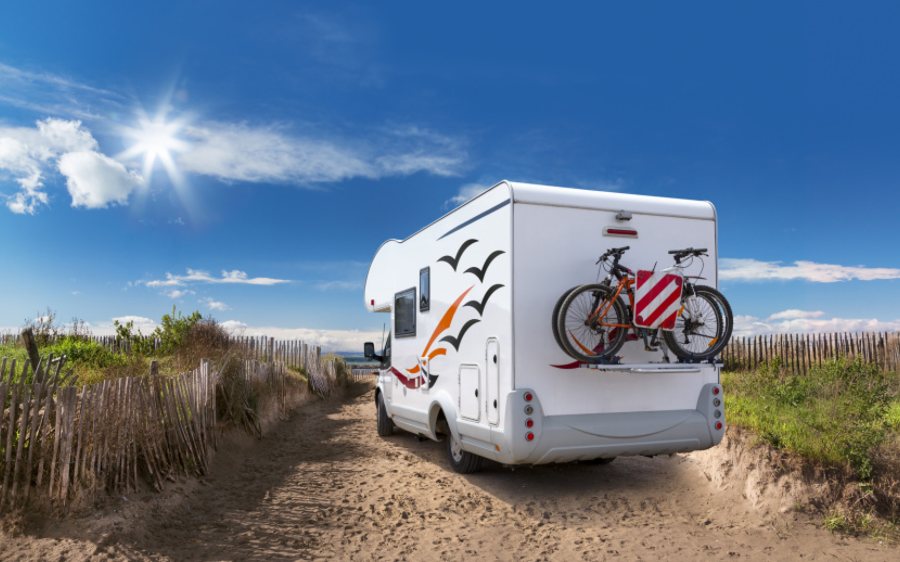
It is one of the most common starting points for a sale: the motorhome has been parked for three, five or ten years – in the yard, under a carport or on a storage site. The last trip was a long time ago, the mileage is low, the keys are somewhere in a drawer. Many owners assume that low mileage automatically means a high price. With recreational vehicles the opposite is often true: standing still does more harm than driving.
Why long storage ages a motorhome
A motorhome is two things at once: a vehicle and a small flat. Both react badly to inactivity. On the chassis side, seals dry out, brakes corrode and fluids age regardless of how far you have driven. In the living area, timber, sealants and bonded joints keep working – only now nobody ventilates, heats or inspects. A vehicle with 60'000 km that stood still for eight years is frequently in worse shape than one with 120'000 km that was used and serviced every season.
Typical damage from long storage
| Area | What happens during long storage | How to spot it |
|---|---|---|
| Tyres | Flat spots, cracking in sidewall and tread, ageing independent of tread depth | DOT date on the sidewall, fine cracks, vibration in the first few metres |
| Batteries | Starter and leisure batteries deeply discharged, often beyond recovery | Engine will not turn over, control panel stays dark |
| Brakes | Rust on discs and drums, seized callipers or handbrake | Grinding, juddering, vehicle barely rolls |
| Body and roof | Perished sealant, moisture in walls, floor or rear section | Dark edges, soft spots, musty smell when opening the door |
| Water and gas | Contaminated pipes, failed pump, frost damage to the boiler, old gas hoses | No water pressure, leaks, expiry date printed on the hoses |
| Interior | Mould in upholstery and lockers, traces of mice or martens | Stains, gnawed cables, persistent odour |
Which defects really move the value
Not everything carries the same weight. Tyres, batteries, a service and brake work are calculable items – a buyer prices them in, and they can be replaced. What really determines value is the condition of the living body. Moisture in walls, floor or roof means labour hours that nobody can estimate honestly until the panelling is opened. Mould in the interior and rodent damage to the wiring are equally serious, because neither is easy to remove completely.
Length of storage on its own is not a defect, provided the vehicle stood dry, ventilated and ideally under cover. That is exactly what you should be able to demonstrate.
What is worth doing before selling – and what is not
- Worth doing: air and dry the vehicle thoroughly, empty and clean the interior, have a workshop take moisture readings, gather the service book and invoices.
- Usually not worth it: new tyres, a major service or expensive preparation for the MFK (the official Swiss roadworthiness inspection) shortly before selling. You rarely recover these costs in the sale price.
- Avoid: cosmetic cover-ups. Painted-over water stains or freshly smeared sealant are noticed during inspection and cost trust.
When the vehicle is no longer roadworthy
Many long-stored motorhomes have been deregistered, no longer hold a valid MFK and cannot move under their own power. That does not prevent a sale, but it changes the process: there is no test drive, so photos, an honest condition report and access to the parking spot matter more. Check in advance whether a transporter can reach the vehicle and whether it can be rolled or towed. For questions about deregistration, number plates and any temporary permits, your cantonal Strassenverkehrsamt (road traffic office) is the responsible authority.
Paperwork matters too. The Fahrzeugausweis (vehicle registration document), service and repair invoices and records of earlier gas inspections or damp checks help a buyer assess the vehicle – especially when the vehicle itself can no longer demonstrate anything.
Free assessment
Wohnmobil Ankauf Schweiz buys motorhomes, camper vans and caravans from private owners throughout Switzerland – including vehicles that have stood for years, are deregistered or are no longer roadworthy. We come to the vehicle and handle transport and deregistration. Use the form to tell us how long the vehicle has been standing, where it is located and which faults you know about, and add a few photos, including of the problem areas. The assessment is free and without obligation.
Get your offer — A few details, a few photos – you usually hear from us within 24 hours.
Request an offer