When is the right time to sell a motorhome?
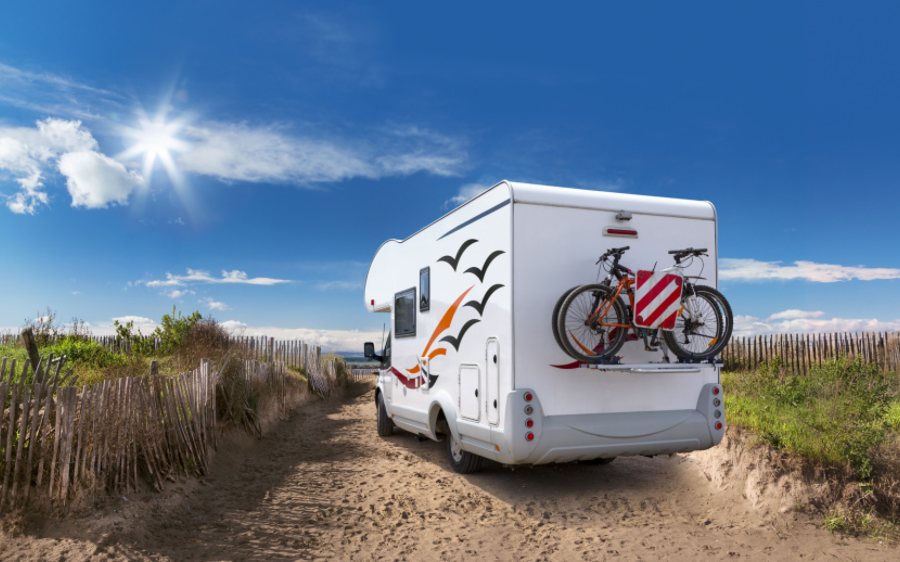
Most owners who decide to part with their motorhome reach the same conclusion at first: wait for spring. Buyers are out looking and the vehicle shows better in good weather. What tends to get left out is what happens between October and March, when the motorhome sits on a pitch, ages by a model year and quietly costs money. This article looks at both sides, and at what to do if you keep it over winter after all.
End of season or spring: what each timing gives you
Spring is the private seller's season. Enquiries come in faster and buyers are in a hurry because they want the vehicle for the summer. If you plan to advertise the motorhome yourself, spring is when the market is on your side.
The end of the season has a different logic. The vehicle has just been used, so you know exactly what works and what does not. Nothing has had months to seize up or dry out. And if you sell to a buyer who purchases motorhomes all year round, the seasonal dip in private demand does not apply to you.
The quiet cost of "I'll sell it next spring"
A motorhome standing still for the winter is not a neutral event. Several things happen at once, and none of them is in the seller's favour.
- Storage. A covered pitch or a hall is usually billed monthly. Parking outside is free but exposes roof seals, tyres and bodywork to frost, rain and sun for months.
- Insurance and vehicle tax. While the vehicle stays registered, these keep running for something you no longer use. Handing in the plates can reduce them, depending on your canton and insurer, but means a trip to the road traffic office now and another in spring.
- One more year on the record. Once the calendar turns, every buyer reads the vehicle as a year older, whether or not it moved a metre. The tyres age on paper too.
- Standing damage. Batteries discharge, tyres flat-spot, seals harden, and damp looks for a way into the body. A vehicle that was sound in October can show a soft patch in April.
- Your own time. Draining the water system, checking batteries, clearing snow from the roof. Small jobs, but they add up, for something you had already decided to let go.
Whether the spring price makes up for this depends on the vehicle, the storage available and how well it survives the winter. In practice the gap between an autumn and a spring price is often smaller than sellers expect, while the costs in between are very real.
When selling in autumn is clearly the better choice
- You have no covered storage and the vehicle would spend the winter outdoors.
- The MFK, the periodic roadworthiness inspection, is due soon and you would rather not pay for an inspection that mainly benefits the next owner.
- There is a known issue, such as damp or a technical fault, that will not improve while the vehicle stands.
- You already know you will not be travelling with it again, whether for reasons of age, health or a change of plans.
- There is still a lease or a loan on the vehicle, with instalments continuing until it is sold.
In these cases, a buyer who collects the vehicle from your home and takes care of the deregistration removes most of the work. No winterising, no spring recommissioning, no waiting for enquiries.
If you do keep it over winter: a preparation list
If you decide the spring sale is worth it, use the winter well. A motorhome that comes out of storage in good shape sells faster and with fewer arguments.
- Drain the water system completely. Fresh tank, boiler, pump and pipes. A frost-cracked boiler is damage every buyer finds and prices in.
- Look after the batteries. Keep both the engine battery and the leisure battery charged, ideally on a maintenance charger. A deeply discharged battery is often beyond saving by spring.
- Watch for damp. Check window seals, roof lights and body joints. Leave cupboard doors and lockers ajar so air can move, and take readings with a simple moisture meter now and then.
- Take the weight off the tyres. Raise the pressure slightly and, if you can, move the vehicle a little from time to time.
- Gather the paperwork. Fahrzeugausweis (registration document), service history, invoices for repairs and fitted equipment, gas inspection certificate, last MFK report. Complete documents build trust and shorten every conversation.
- Photograph it while it is clean. Daylight, a quiet background, all four sides outside, the interior with cupboards open and the bed made up. You will need these pictures for every listing and every offer.
- Write down what is not perfect. Anything that sticks, drips or is missing. An honest condition note is worth more than a surprise at the viewing.
A practical suggestion
Whichever way you lean, it helps to know what your motorhome is worth now. A non-binding offer costs nothing and gives you a real figure to weigh against a winter of storage. We buy motorhomes, campervans and caravans throughout Switzerland all year round, collect the vehicle at your home free of charge and handle the deregistration for you. As a rule, you receive an offer within 24 hours.
To get started, fill in the offer form with the make, model, body type, mileage, date of first registration and a few photos.
Get your offer — A few details, a few photos – you usually hear from us within 24 hours.
Request an offer